The Ford 6.7 Powerstroke stands as a remarkably dependable modern diesel, though its complexity stems from stringent EPA emissions controls.
Comparisons to Cummins engines highlight its competitive power, often reaching similar horsepower and torque figures, making it a strong contender in the heavy-duty truck market.
Overview of the 6.7L Engine
The 6.7L Powerstroke, introduced in 2011, represented a significant departure for Ford, moving away from the International-built engines of the past. This engine quickly gained recognition for its robust design and substantial power output, becoming a staple in Ford’s Super Duty trucks. Initially, it delivered around 390 horsepower and 735 lb-ft of torque, figures that were progressively increased in subsequent years through refinements and technological advancements.
A key feature of the 6.7L is its single turbocharger configuration, although compound turbo setups were later introduced for enhanced performance. The engine utilizes a cast iron block and aluminum cylinder heads, balancing durability with weight reduction. Furthermore, the engine’s architecture incorporates a high-pressure common rail fuel injection system, crucial for efficient combustion and power delivery. It’s a modern diesel designed to meet demanding workloads while adhering to increasingly strict emissions standards.
Why the 6.7 Powerstroke is Popular
The 6.7 Powerstroke’s popularity stems from a compelling combination of power, reliability, and capability. Owners consistently praise its ability to handle heavy towing and demanding tasks, making it ideal for work and recreational use. Compared favorably to competitors like the Cummins, the 6.7L offers a strong power-to-weight ratio and a refined driving experience.
Its advanced technology, including the high-pressure fuel injection system, contributes to both performance and efficiency. Despite the complexities introduced by emissions control systems, the engine has proven relatively durable, fostering a strong aftermarket support network for upgrades and repairs. The readily available parts and extensive online resources further enhance its appeal. Ultimately, the 6.7 Powerstroke represents a modern diesel that balances power, dependability, and practicality for a wide range of truck users.

Engine Specifications & Performance
The 6.7 Powerstroke delivers substantial performance, rivaling Cummins engines with up to 400 horsepower and 1,000 lb-ft of torque, showcasing its robust capabilities.

Horsepower and Torque Figures
The Ford 6.7L Powerstroke’s horsepower and torque outputs have varied slightly across model years, but generally represent a significant leap in performance compared to earlier iterations. Base models typically deliver around 390 horsepower and 800 lb-ft of torque. However, higher-output versions, often found in later model years and equipped with specific performance packages, can achieve upwards of 400 horsepower and an impressive 1,000 lb-ft of torque.
These figures position the 6.7 Powerstroke competitively against other heavy-duty diesel engines, such as the Cummins 6.7L, frequently found in Ram trucks. Direct comparisons reveal that both engines are capable of producing comparable power, with slight advantages shifting depending on specific configurations and model years. The robust torque output is particularly noteworthy, providing exceptional towing and hauling capabilities for demanding applications. Understanding these figures is crucial for owners seeking to maximize their truck’s potential.
Key Engine Components
The Ford 6.7 Powerstroke relies on several crucial components for its operation and durability. A cast iron engine block provides a robust foundation, while a unique compacted graphite iron (CGI) block further enhances strength in some models. The engine utilizes a common-rail fuel injection system, delivering highly pressurized fuel for efficient combustion. A variable geometry turbocharger (VGT) optimizes performance across a wide range of engine speeds, boosting both horsepower and torque.
Furthermore, the engine incorporates a sophisticated valve train, crucial for managing airflow and maximizing efficiency. The cylinder heads are designed for optimal cooling, preventing overheating under heavy loads. These key components work in harmony to deliver the Powerstroke’s renowned power and reliability. Regular inspection and maintenance of these parts are essential for ensuring long-term engine health and preventing costly repairs.
Fuel Efficiency Considerations
Achieving optimal fuel efficiency with the Ford 6.7 Powerstroke requires understanding several factors. While powerful, diesel engines, particularly in heavy-duty trucks, aren’t known for exceptional mileage. Driving habits significantly impact fuel consumption; aggressive acceleration and high speeds drastically reduce efficiency. Load weight is another critical consideration, as hauling heavy trailers or cargo naturally lowers MPG.
The complex emissions systems, while environmentally necessary, can also slightly impact fuel economy. Regular maintenance, including air filter replacements and proper fuel system cleaning, helps maintain peak efficiency. Utilizing the correct grade of diesel fuel and avoiding idling whenever possible are also beneficial practices. Owners should also be aware that aftermarket modifications, while enhancing performance, can sometimes negatively affect fuel economy.
Common Problems & Issues
The 6.7 Powerstroke, despite its reliability, can experience issues like injector failures, turbocharger problems, and high-pressure fuel pump (HPFP) malfunctions, requiring diligent maintenance.
Injector Issues & Symptoms
Injector problems are frequently cited among the 6.7 Powerstroke’s common faults. These sophisticated components are crucial for precise fuel delivery, and their failure manifests in several noticeable ways. A primary symptom is rough idling, often accompanied by noticeable vibrations throughout the vehicle.
Owners may experience a loss of power, particularly during acceleration, as the engine struggles to maintain consistent combustion. White or blue smoke emanating from the exhaust is another telltale sign, indicating incomplete fuel burning. Diagnostic trouble codes (DTCs) related to cylinder misfires or fuel injector circuits will often appear, aiding in pinpointing the issue.
Sticking injectors, caused by fuel residue buildup, are a common culprit, while others may experience electrical failures. Ignoring these symptoms can lead to further engine damage, so prompt diagnosis and repair are essential. Regular fuel system maintenance, including the use of quality fuel additives, can help mitigate injector issues.
Turbocharger Failures
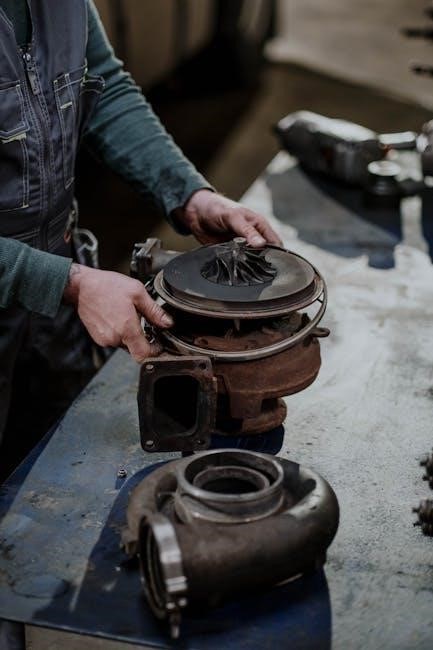
Turbocharger issues represent a significant concern for 6.7 Powerstroke owners, often stemming from the demands placed upon these components during heavy use. A failing turbo can present with a noticeable loss of power, particularly when towing or hauling loads. Whining or screeching noises emanating from the turbocharger area are strong indicators of bearing failure or impeller damage.
Excessive smoke, whether black, blue, or white, can also signal turbocharger problems, indicating issues with oil lubrication or combustion efficiency. Oil consumption may increase as turbo seals degrade, allowing oil to enter the exhaust stream. Inspecting the turbocharger for shaft play or damage to the compressor and turbine wheels is crucial during diagnosis.
Regular oil changes with high-quality oil are vital for turbocharger longevity. Avoiding prolonged periods of high-boost operation and allowing the turbo to cool down after strenuous activity can also help prevent premature failure. Timely repairs are essential to avoid catastrophic engine damage.
High-Pressure Fuel Pump (HPFP) Problems
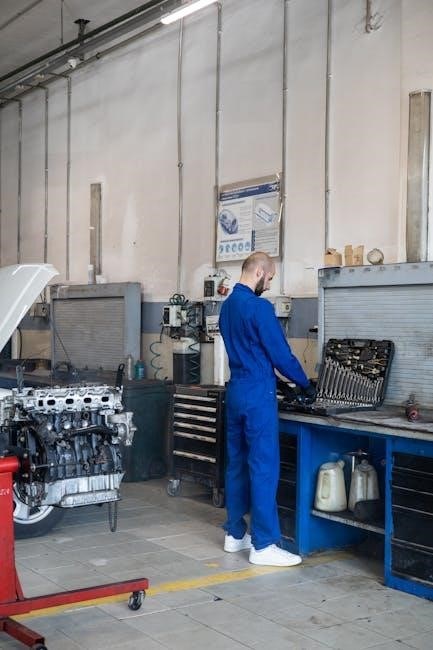
The High-Pressure Fuel Pump (HPFP) is a critical component in the 6.7 Powerstroke’s fuel system, and its failure is a relatively common, yet costly, issue. Symptoms often begin with hard starting, rough idling, and a general lack of power, especially under load. A metallic rattling or ticking sound from the fuel pump area is a telltale sign of internal wear.
HPFP failures are frequently linked to fuel contamination, particularly with water or debris. The pump’s internal components are precision-engineered and susceptible to damage from even small particles. As the pump wears, it may struggle to maintain adequate fuel pressure, leading to misfires and reduced engine performance.
Preventative maintenance, including regular fuel filter replacements and ensuring clean fuel sources, is crucial. Addressing HPFP issues promptly is vital, as continued operation with a failing pump can cause injector damage and further engine complications, resulting in substantial repair bills.

Emissions System Challenges
The 6.7 Powerstroke’s complex emissions system, designed for EPA compliance, presents notable challenges for owners, impacting reliability and potentially increasing maintenance costs over time.
Diesel Particulate Filter (DPF) Issues
The Diesel Particulate Filter (DPF) is a crucial component of the 6.7 Powerstroke’s emissions system, designed to trap soot produced during combustion. However, this system is prone to issues, particularly with trucks seeing frequent short trips or city driving.
Insufficient heat during these driving cycles prevents proper regeneration – the process where the DPF burns off accumulated soot. This leads to a buildup, causing reduced engine performance, decreased fuel economy, and ultimately, a clogged DPF.
Symptoms of a failing DPF include a noticeable loss of power, the illumination of the check engine light, and potentially, entering a “derate” mode, severely limiting engine output. Regular, extended highway driving is vital for healthy DPF function, allowing for complete regeneration cycles. Ignoring DPF issues can lead to costly replacements and potential damage to other engine components.
Exhaust Gas Recirculation (EGR) System Problems
The Exhaust Gas Recirculation (EGR) system on the 6.7 Powerstroke is designed to reduce NOx emissions by recirculating a portion of exhaust gas back into the intake manifold. However, this system is susceptible to carbon buildup, leading to various operational problems.
The recirculated exhaust contains soot and oil residue, which can accumulate within the EGR cooler and valve, restricting flow. This restriction can cause rough idling, decreased fuel efficiency, and even engine stalling. A malfunctioning EGR system often triggers a check engine light and may result in reduced engine power.
Regular maintenance, including EGR cooler cleaning or replacement, is crucial to prevent these issues. Some owners opt for EGR delete kits, though these are often illegal for on-road use and can void warranties. Addressing EGR problems promptly prevents further damage to the engine and maintains optimal performance.
DEF (Diesel Exhaust Fluid) System Failures
The Diesel Exhaust Fluid (DEF) system is integral to meeting emissions standards in the 6.7 Powerstroke, utilizing a urea-based solution to reduce NOx emissions. However, this system is prone to failures, often causing significant operational disruptions.
Common issues include DEF injector failures, leading to improper DEF delivery and subsequent system warnings. Crystalline buildup within the DEF tank and lines, especially in colder climates, can obstruct flow and trigger fault codes. A faulty DEF heater can also prevent proper DEF vaporization, hindering the reduction process.
These failures frequently result in a “low DEF” warning, eventually leading to a derated engine state or even a complete shutdown. Maintaining a consistent supply of high-quality DEF and addressing any leaks or contamination promptly are vital. Regular system checks and potential component replacements are necessary for reliable operation.

Maintenance & Repair
Consistent maintenance is crucial for the 6.7 Powerstroke’s longevity, encompassing scheduled fluid changes, filter replacements, and diligent monitoring of the complex emissions control systems for optimal performance.
Recommended Maintenance Schedule
A rigorous maintenance plan is paramount for maximizing the lifespan and reliability of the 6.7 Powerstroke. Oil changes should occur every 5,000 to 7,500 miles, utilizing a diesel-specific oil meeting Ford’s specifications. Fuel filter replacements are vital every 15,000 miles, protecting the sensitive high-pressure fuel pump and injectors.
Air filters require inspection every oil change and replacement as needed, typically around 30,000 miles. Coolant flushes should be performed every 60,000 miles, and the engine coolant concentrate must be Ford-approved. Regularly inspect belts and hoses for wear and tear, replacing them proactively.
Crucially, the emissions system demands attention. The Diesel Particulate Filter (DPF) requires monitoring and potential regeneration or cleaning based on usage. EGR valve inspections and cleaning are recommended every 100,000 miles. Adhering to this schedule minimizes potential issues and ensures peak performance.
DIY Maintenance Tasks
Several maintenance tasks are accessible to mechanically inclined owners of the 6.7 Powerstroke. Regularly checking fluid levels – oil, coolant, power steering, and brake fluid – is straightforward and crucial. Air filter inspection and replacement are simple procedures requiring minimal tools.
Owners can also perform basic visual inspections of belts and hoses, looking for cracks or wear. Changing the fuel filter, while requiring some care to avoid contamination, is achievable with the right tools and guidance. Monitoring the DEF (Diesel Exhaust Fluid) level and ensuring proper operation is also a simple task.
However, tasks involving the emissions system, high-pressure fuel pump, or turbocharger are best left to qualified professionals. Attempting complex repairs without proper knowledge can lead to further damage and costly repairs. Safety should always be the top priority.
Finding a Qualified Mechanic
Locating a mechanic specializing in the 6.7 Powerstroke is vital, given its complex systems. General mechanics may lack the specific diagnostic tools and expertise needed for accurate repairs. Seek technicians with certifications related to diesel engines and Ford vehicles.
Online reviews and recommendations from other Powerstroke owners can be invaluable. Look for shops equipped with advanced diagnostic scanners capable of reading Ford’s proprietary codes. A good mechanic will clearly explain the problem, provide a detailed estimate, and use genuine or high-quality aftermarket parts.

Don’t hesitate to ask about their experience with common 6.7 Powerstroke issues, such as injector problems or emissions system failures. A trustworthy mechanic will be transparent and willing to answer your questions thoroughly, ensuring you feel confident in their abilities.
Upgrades & Modifications
Enhancing the 6.7 Powerstroke involves performance tuners for optimized output, aftermarket turbochargers for increased airflow, and upgraded fuel system components for reliable power delivery.
Performance Tuners & Their Benefits
Performance tuners represent a popular modification for the 6.7 Powerstroke, offering a range of benefits aimed at optimizing engine performance. These devices essentially remap the engine’s computer, adjusting parameters like fuel delivery, timing, and boost pressure. The result is often a noticeable increase in horsepower and torque, leading to improved acceleration and towing capacity.
However, it’s crucial to understand the different types of tuners available. Some tuners focus on maximizing power, while others prioritize fuel economy or drivability. Custom tuning, performed by a qualified professional, can tailor the adjustments to your specific truck and modifications for optimal results.
Benefits include: increased horsepower and torque, improved throttle response, enhanced fuel efficiency (depending on tuning strategy), and the ability to adjust for aftermarket components. Caution: improper tuning can potentially damage the engine, so selecting a reputable tuner and following recommended guidelines is essential.
Aftermarket Turbochargers
Upgrading the turbocharger is a significant modification for the 6.7 Powerstroke, particularly for those seeking substantial performance gains. The factory turbocharger, while capable, can become a limiting factor when other engine modifications are introduced. Aftermarket turbos are designed to flow more air, enabling the engine to produce more power.

Several types of aftermarket turbos are available, including single turbo setups, compound turbo systems (adding a second turbo), and upgraded versions of the factory turbo. Choosing the right turbo depends on your desired power level and driving style. Larger turbos generally provide more peak power, while smaller turbos offer quicker spool-up and improved low-end torque.
Considerations: proper sizing is crucial, as an improperly matched turbo can negatively impact drivability. Supporting modifications, such as upgraded intercoolers and exhaust systems, are often necessary to maximize the benefits of an aftermarket turbo. Professional installation is highly recommended.
Upgrading Fuel System Components
Enhancing the fuel system is vital when increasing power output in the 6.7 Powerstroke. The factory fuel system is designed to support the engine’s stock horsepower and torque levels; exceeding these limits requires upgrades to ensure adequate fuel delivery. Key components to consider upgrading include the fuel pump, fuel injectors, and fuel lines.
A higher-flow fuel pump is often the first upgrade, providing the necessary volume to supply the increased fuel demand. Upgraded fuel injectors deliver a larger volume of fuel and offer improved spray patterns for better combustion. Upgrading fuel lines to larger diameters reduces fuel pressure drop and ensures consistent fuel flow.
Important Note: Fuel system modifications should be carefully planned and matched to the overall performance goals. Incorrectly sized components can lead to fuel starvation or overly rich fuel mixtures, both of which can damage the engine. Professional tuning is essential after any fuel system upgrade.